What Nobody Teaches You When You Graduate as a Personal Trainer
You've done the study. You've passed the assessments. You've earned your qualification — and you are ready to change lives.
But here's what most fitness textbooks don't cover: the real curriculum starts now.
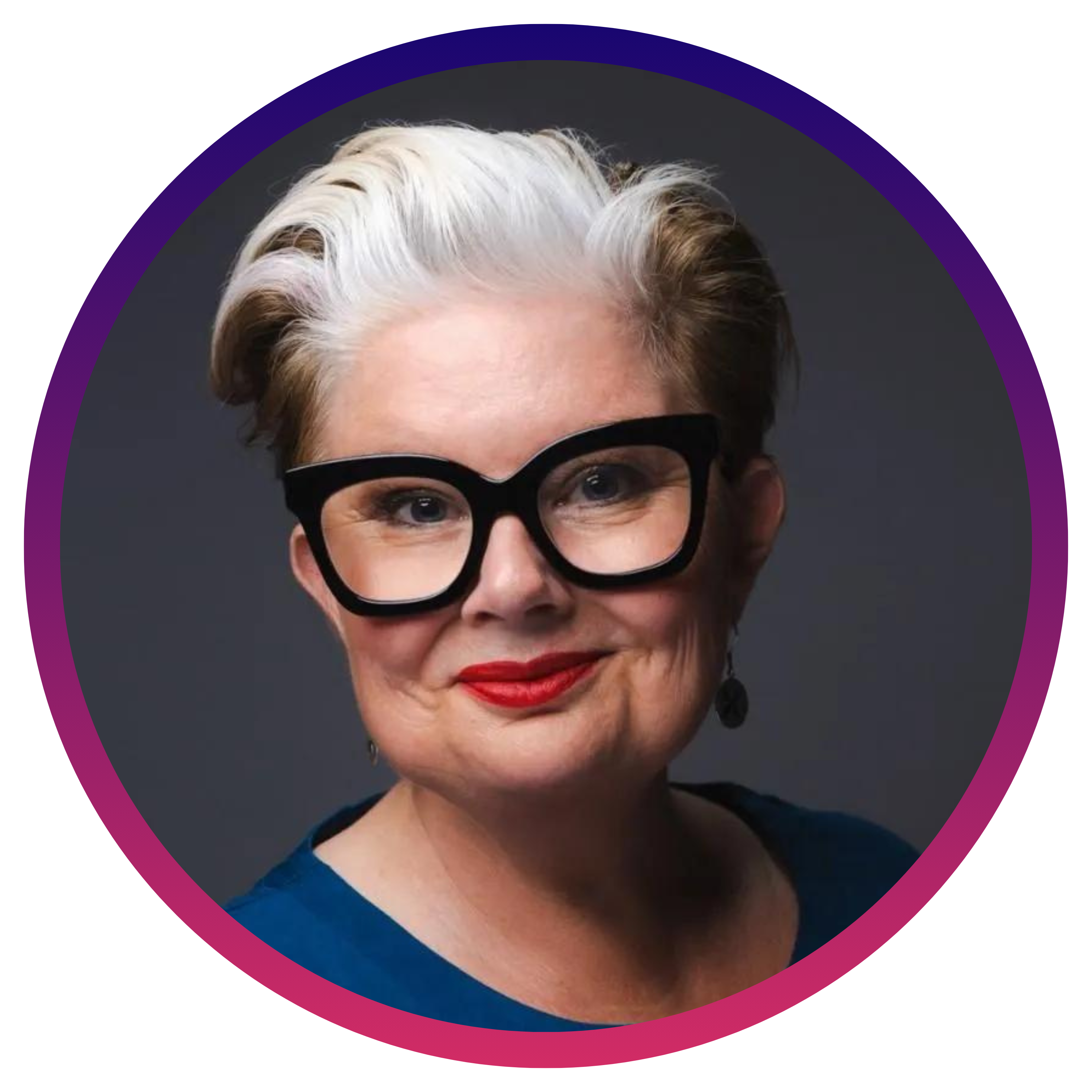
At our most recent WFE Graduate Student Webinar, we sat down with Suzanne Dentith — a health and fitness mentor with over 25 years of industry experience — to talk about what actually determines whether a new trainer thrives or burns out within their first few years. The conversation was honest, practical, and at times, a little confronting. Exactly the kind of thing you need to hear before you step onto that gym floor.
Here's what we took away.
Your Body Is Your Business Card
Before you say a word to a new client, they're already forming an impression. Suzanne was direct about this: your presentation, your energy, and your professionalism speak before you do.
This doesn't mean looking a certain way or having a particular body type. It means turning up on time, dressed appropriately, and visibly taking care of your own health. You're asking clients to trust you with their wellbeing — that trust begins with how you show up.
"Walking the walk" isn't about perfection. It's about integrity. If you're coaching people to move, sleep, eat well, and manage stress, those things need to matter to you too.
Clients Don't Stay for the Programme. They Stay for the Feeling.
One of the most important findings from WFE's research into long-term client retention? It wasn't the quality of the workouts or the results on the scales. It was the front desk staff and the sense of community.
People come back because of how they feel when they're there.
Maya Angelou said it best: people will forget what you said, people will forget what you did, but people will never forget how you made them feel. That principle is at the heart of every long-term client relationship in this industry.
Your technical knowledge matters. But your ability to make someone feel seen, supported, and genuinely cared for? That's what builds a career.
Sales Is a People Skill — Not a Dirty Word
Many new trainers feel uncomfortable with the idea of "selling." Suzanne reframes it clearly: we are not selling quick fixes or miracle solutions. We are selling health, fitness, confidence, and positive lifestyle change.
That's something worth being proud of.
The most effective approach to gaining (and keeping) clients isn't a pitch — it's listening. Listen more than you talk. Notice what a person actually needs, not just what they say they want. Adapt your communication style to theirs. Some people want data and structure. Others need warmth and encouragement first.
When you lead with genuine curiosity and care, the "sales conversation" becomes a natural extension of your values.
Burnout Is Common. It Is Also Preventable.
This was perhaps the most important part of our conversation, and Suzanne spoke about it from personal experience.
Personal trainers are in the business of giving — and if you're not intentional about how you manage your energy, you will run dry. Suzanne notes that trainers often absorb their clients' emotional weight without realising it. Over time, that accumulates.
You cannot pour from an empty cup. This isn't a cliché, it's a clinical reality.
Protecting yourself doesn't mean caring less about your clients. It means recognising that your long-term capacity to help people depends on how well you look after yourself. That includes:
Active rest — not just switching off, but genuinely restorative activities like walking in nature, meditation, or whatever helps you decompress
Consistent sleep and recovery — well-rested trainers are simply more effective. Sleep is not a luxury; it is a professional strategy
Setting clear boundaries — including learning to say no without guilt
One small but powerful mindset shift: you are not obligated to match your clients' energy, carry their stress, or be available at all hours. Strong boundaries protect the relationship, not just yourself.
Mind Your Transition Times
Here's something we don't talk about enough: how do you transition between work and home?
If you finish a session and move straight into family time, school pickups, or dinner — still carrying the weight of the clients you've just seen — you're not fully present anywhere. And the people at home (or the next client) get what's left of you, not the best of you.
Build a transition ritual. It doesn't need to be elaborate. A short walk. Five minutes of silence in the car. A change of clothes. A moment to consciously "put down" the work day before you enter the next part of your life.
The question isn't just how much energy you have — it's how consciously you move it. How do you want to show up for the people in your life? That intention starts before you walk through the door.
Choose Your Gym Wisely
Suzanne's advice here was practical and direct: before you sign any employment contract, visit the gym as a member first.
Walk in as someone looking for a place to train. Notice how you're greeted. Watch how the staff interact with members. Observe the culture, the demographics, the values. Is this a place you'd want to train yourself? Is this a community you'd be proud to be part of?
"Big box" gyms can seem attractive — built-in clientele, equipment, visibility. But they're not all created equal, and the culture varies enormously. A long-term contract in an environment that doesn't align with your values will cost you more than money.
Ask about client demographics before you commit. Understand who you'll be working with. Make sure the role matches your skills, your interests, and your career goals.
Know Your Worth — and Your Job Description
Scope creep is real in this industry. New trainers are often asked to take on additional duties — cleaning, reception, event coordination — that weren't in the original role.
If you're doing multiple jobs, you should be paid for multiple jobs. That starts with knowing exactly what your role entails, and having the confidence to respectfully push back when you're asked to go significantly beyond it.
This isn't about being difficult. It's about modelling the same self-respect and boundary-setting you'll be encouraging your clients to practise.
The Trainers Who Last Are the Ones Who Keep Learning
Suzanne has been in this industry for more than 25 years. She still invests in education, reflection, and growth. The most successful long-term practitioners are those who combine knowledge with authenticity, ongoing curiosity, and genuine care for the people they serve.
Your qualification is the beginning, not the destination.
You chose this career because you want to make a difference in people's lives. The best way to keep doing that — year after year, client after client — is to show up rested, boundaried, and still growing.
That's what we want for every WFE graduate.
A huge thank you to Suzanne Dentith for her time, her wisdom, and her refreshing honesty. And to our students who joined us for this webinar — we love watching you build careers you're proud of.
Want to connect with Suzanne? Follow her on Instagram here
About Suzanne Dentith
With over 25 years of experience in the health, fitness, and wellbeing industry, Suzanne Dentith is a health and fitness mentor who brings real-world knowledge, authenticity, and compassion to everything she does. Having worked with clients from all walks of life — and having navigated burnout herself — Suzanne is a passionate advocate for sustainable careers in fitness, mental health awareness, and helping practitioners build rewarding professional lives while genuinely caring for themselves.
If you’re thinking about becoming aqualified personal trainerorgroup fitness instructor, check out ourCertificate III and IV in Fitness. Feel free to reach out if you have any questions!